
Initial Consultation
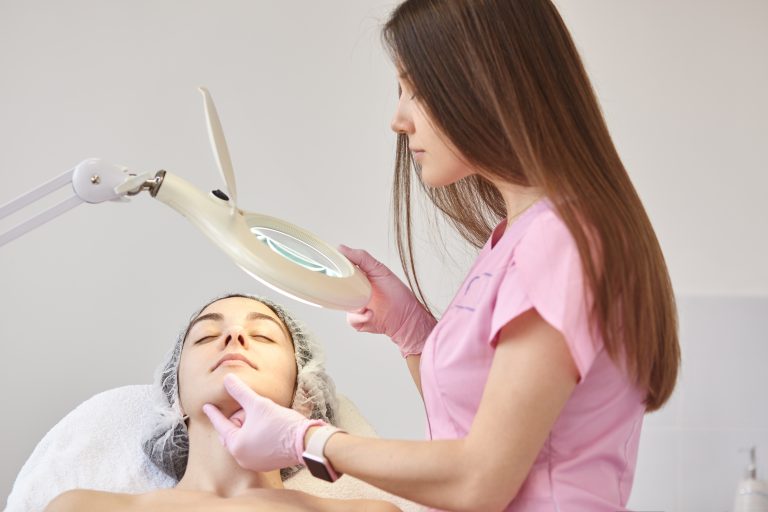
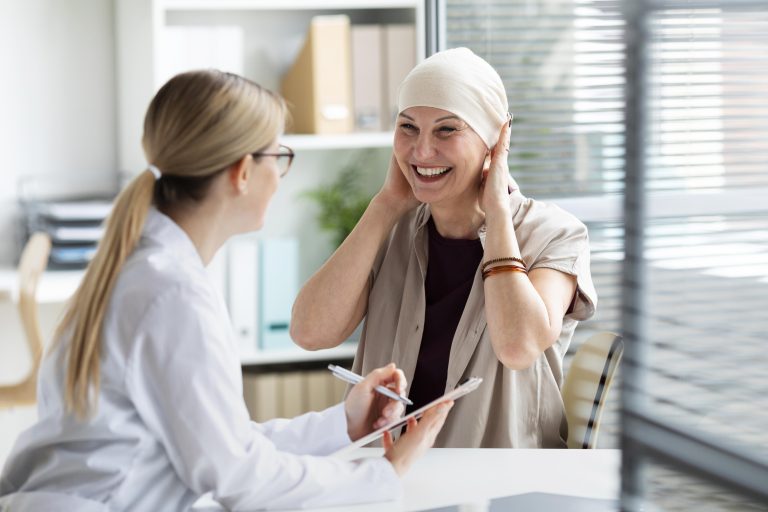
Discuss your concerns with the dermatologist, including skin, hair, or nail issues.Provide details about symptoms, medical history, lifestyle, and any previous treatments.


Discuss your concerns with the dermatologist, including skin, hair, or nail issues.Provide details about symptoms, medical history, lifestyle, and any previous treatments.
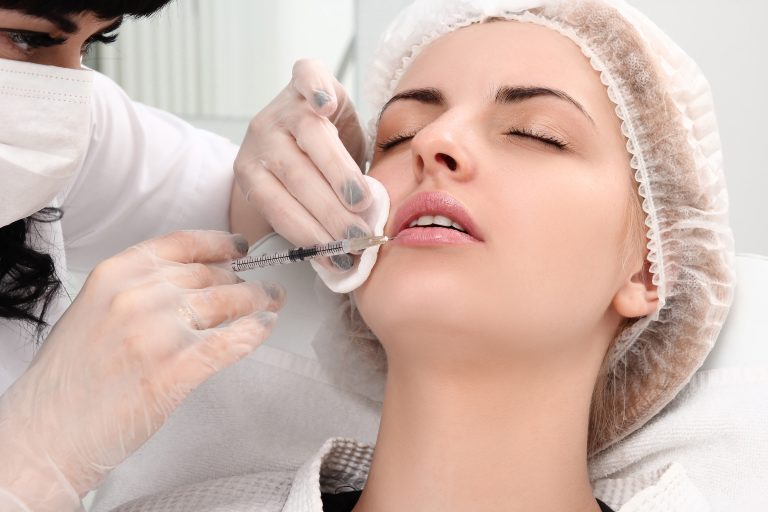
The dermatologist examines the affected area(s) visually or with tools like a dermatoscope.Photos or measurements may be taken to monitor changes over time.
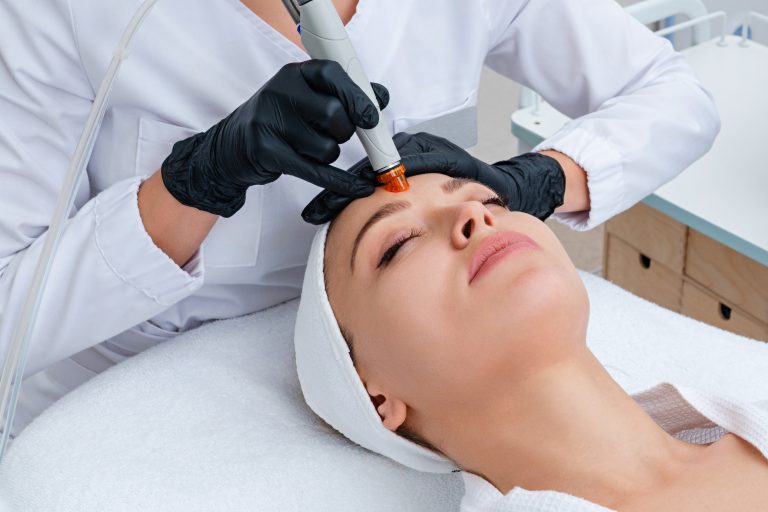
Skin Biopsy: A small sample of skin is taken for microscopic analysis .Patch Testing: Identifies potential allergens causing skin reactions. Blood Tests: Used to detect underlying conditions affecting the skin.
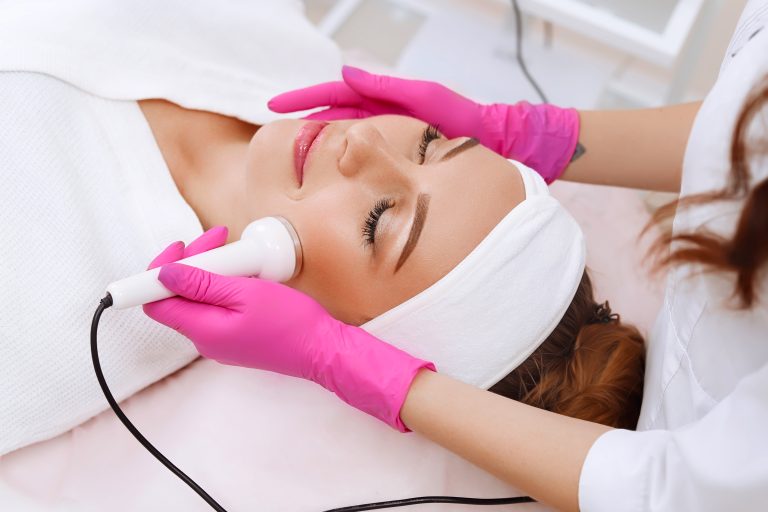
Based on findings, the dermatologist explains the condition, its causes, and potential outcomes.
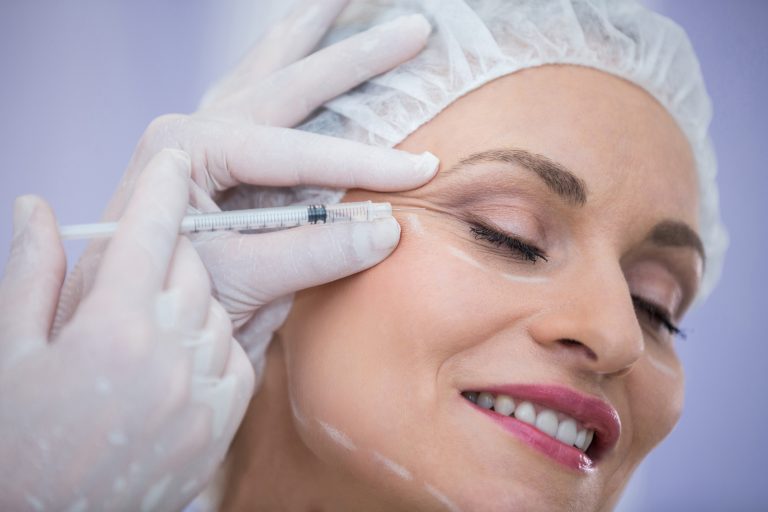
A personalized plan is developed, which may include:
Minor surgeries (e.g., mole removal, cyst excision, or Mohs surgery for skin cancer).Cosmetic procedures (e.g., Botox, fillers, microneedling

Specializes in managing skin conditions in infants, children, and adolescents, such as birthmarks, diaper rashes, and genetic skin disorders.
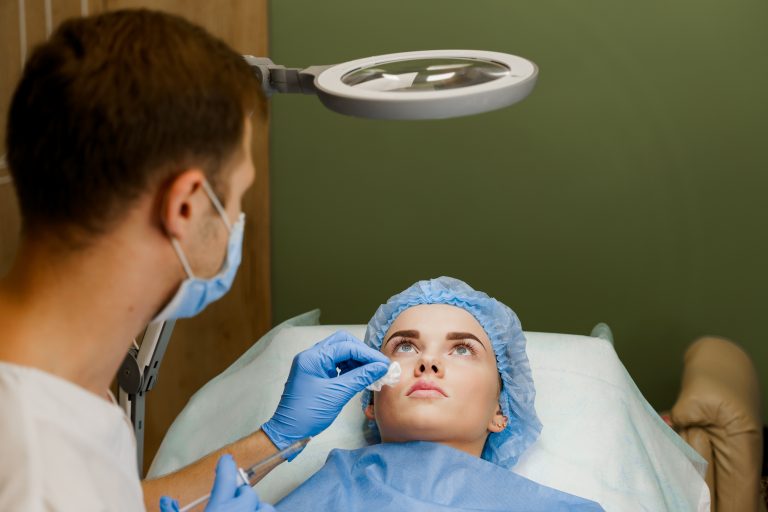
Deals with enhancing the skin’s appearance through procedures like Botox, fillers, chemical peels, laser treatments, and microneedling.
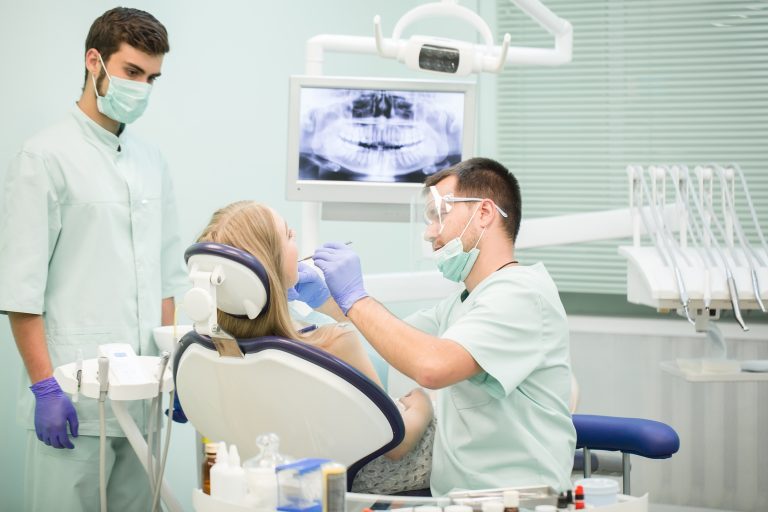
Combines dermatology and pathology to study skin biopsies for diagnosing diseases like skin cancers, autoimmune disorders, and infections.
Focuses on immune-related skin disorders, including lupus, pemphigus, and dermatitis herpetiformis.